
Scaling (Teeth Cleaning): Is It Really Necessary?
Dental scaling, commonly known as professional teeth cleaning, is one of the most recommended dental procedures, yet also one of the most misunderstood. Many people believe that scaling is only needed when there is visible dirt on the teeth or that it can weaken teeth over time. These misconceptions often lead to delays in treatment.
In reality, scaling is not just about appearance. It plays a crucial role in maintaining gum health and preventing long-term dental problems. At Oyster Dental Care, we often emphasise that regular professional cleaning is a key part of preventive dental care.
What Is Dental Scaling?

Scaling is a procedure where plaque and tartar (hardened plaque) are removed from the surfaces of the teeth, especially along and below the gumline. While brushing and flossing help control plaque, they cannot remove tartar once it has formed. Over time, tartar buildup creates a rough surface that allows bacteria to accumulate more easily, leading to gum irritation and infection. Scaling helps eliminate this buildup and restores a clean, smooth surface.
Why Is Scaling Necessary?
Even with good oral hygiene, some amount of plaque can remain in hard-to-reach areas. When this plaque hardens into tartar, it cannot be removed at home.
If not treated, this can lead to:
Gum inflammation and bleeding
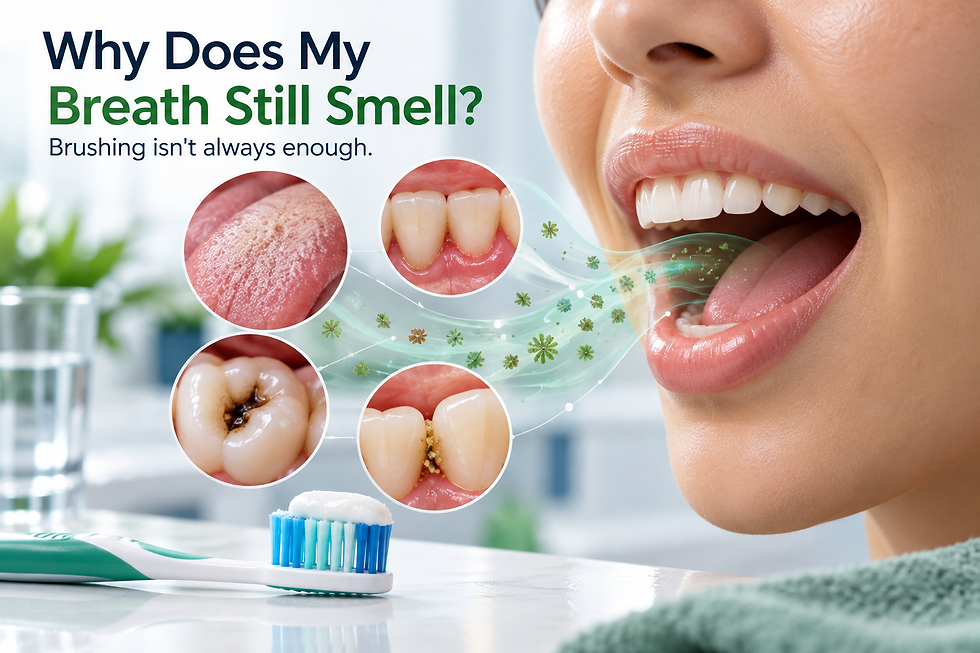
Persistent bad breath
Gum disease (gingivitis or periodontitis)
Gradual bone loss around teeth
Scaling helps prevent these issues by removing the source of infection before it progresses.
Does Scaling Weaken Teeth?
This is one of the most common myths. Scaling does not weaken teeth. What it does is remove tartar that may have been covering sensitive areas.
After cleaning, some people notice temporary sensitivity because the teeth are now exposed to normal conditions without the tartar layer. This is not damage, it is simply the natural state of the teeth. The sensitivity usually reduces within a few days.
How Often Should You Get Scaling Done?
For most people, scaling is recommended every 6 months. However, the frequency can vary depending on individual oral health.
People who may need more frequent cleanings include:
Those with gum disease
Smokers
Individuals with heavy plaque buildup
Patients with braces or dental restorations
Regular check-ups help determine the right schedule for you.
What Happens During the Procedure?

Scaling is a straightforward and safe procedure performed using specialised instruments.
The process typically involves:
Removal of plaque and tartar deposits
Cleaning around the gumline
Polishing to smooth the tooth surface
The procedure is usually painless, though mild sensitivity may be experienced in certain areas.
Benefits of Regular Scaling
Regular dental cleaning offers several long-term benefits:
Healthier gums with reduced bleeding
Fresher breath
Lower risk of cavities
Prevention of gum disease progression
Improved overall oral hygiene
It is one of the simplest ways to maintain long-term dental health.
When Should You Consider Scaling Immediately?
You should not wait for routine cleaning if you notice:
Bleeding while brushing
Yellow or brown deposits on teeth
Persistent bad breath
Swollen or tender gums
These signs indicate that plaque and tartar buildup may already be affecting your gum health.
Scaling is not just a cosmetic procedure, it is an essential part of maintaining healthy teeth and gums. Ignoring it can lead to more serious dental problems over time. 🦷 If it’s been a while since your last dental cleaning, book a consultation at Oyster Dental Care for a professional evaluation and preventive care.


Comments