
Why Night Brushing Is More Important Than Morning Brushing
Most of us have grown up believing that brushing in the morning is the most important part of oral care. It freshens your mouth, removes bad breath, and helps you start the day feeling clean. While morning brushing is definitely important, what many people don’t realise is that brushing at night is even more critical for protecting your teeth. At Oyster Dental Care, we often see patients who brush regularly in the morning but skip night brushing and this is one of the biggest reasons for cavities, gum problems, and bad breath.
What Happens in Your Mouth Overnight
Throughout the day, your mouth is exposed to food particles, sugars, and bacteria. Even

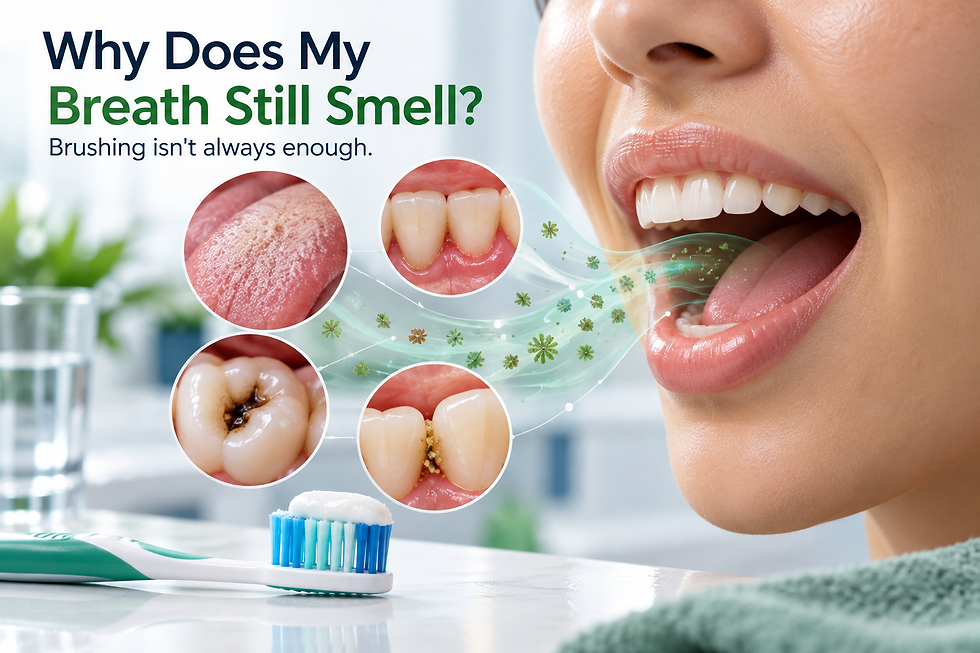
after meals, small amounts of food remain stuck between teeth and along the gumline. If you don’t brush at night, all of this stays in your mouth for hours while you sleep. During sleep, saliva production naturally reduces. Saliva plays an important role in cleaning the mouth and neutralising acids. When it decreases at night, bacteria multiply more easily, and acids stay in contact with your teeth for longer periods. This creates the perfect environment for:
Plaque buildup
Tooth decay
Gum inflammation
Morning bad breath
Why Skipping Night Brushing Is Riskier
Many people think, “I’ll brush properly in the morning anyway.” But the damage often happens overnight. When you skip brushing before bed:
Sugar and food particles stay on your teeth for 6–8 hours
Bacteria produce acids continuously
Enamel begins to weaken
Gum irritation increases
Over time, this repeated exposure leads to cavities and gum disease, even if you brush well in the morning.
Morning Brushing vs Night Brushing
Both are important, but they serve different purposes:
Morning brushing removes overnight bacteria and freshens breath
Night brushing removes the day’s buildup and protects teeth while you sleep
If you had to choose one (which you shouldn’t), night brushing plays a bigger role in preventing damage, while morning brushing focuses more on cleanliness and freshness.
Common Night Brushing Mistakes

Even those who brush at night may not be doing it effectively. Some common issues include:
Brushing immediately after eating sweets (instead of waiting 20–30 minutes)
Rushing through brushing due to tiredness
Skipping brushing after late-night snacks
Not cleaning between teeth
Simple Ways to Build the Night Brushing Habit
Building this habit doesn’t have to be difficult. Small adjustments can make it consistent:
Link brushing to your bedtime routine (after dinner, before bed)
Avoid eating after brushing
Keep your toothbrush easily accessible
Set a reminder if needed
Brush along with family members to stay consistent
For children, supervision at night is especially important since they are more likely to skip it.
The Long-Term Impact of Night Brushing
Consistent night brushing helps:
Prevent cavities
Reduce gum disease
Control bad breath
Maintain stronger enamel
Reduce dental treatment needs over time
It’s one of the simplest habits that has the biggest long-term impact on oral health.
Brushing in the morning helps you feel fresh but brushing at night protects your teeth while you sleep. Skipping it may seem harmless, but over time, it can lead to avoidable dental problems.🦷 If you’ve been skipping night brushing or noticing early signs like sensitivity or bad breath, don’t ignore it. Visit Oyster Dental Care for a quick check-up and personalised advice to keep your teeth healthy.


Comments