
Mental Health and Oral Wellbeing: The Overlooked Connection
We often treat mental health and oral health as completely separate concerns. One is seen as emotional, the other physical. But in reality, they are deeply connected. What happens in your mind can directly affect your teeth, gums, and even your jaw, often without you realising it. Stress, anxiety, depression, and even burnout can quietly influence daily habits, body responses, and overall health, including your oral hygiene. At Oyster Dental Care, we believe true wellness means looking at the bigger picture, supporting both your mental wellbeing and your oral health together. Let’s take a closer look at how mental health impacts your mouth and what you can realistically do about it.
How Mental Health Affects Your Oral Wellbeing
1. Neglecting Oral Hygiene
When someone is dealing with anxiety, depression, or emotional exhaustion, even simple daily tasks can start to feel overwhelming. Brushing and flossing, which once felt automatic may become inconsistent or skipped altogether. Over time, this can lead to:
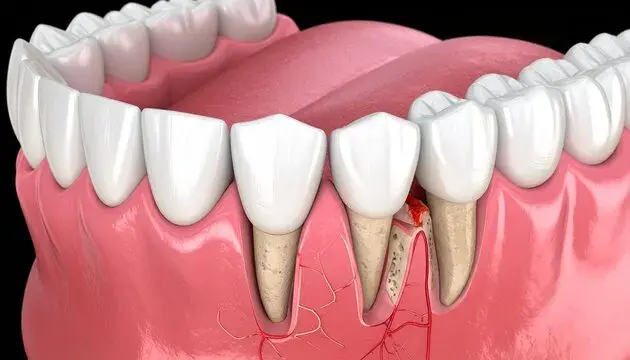
Plaque buildup along the gumline
Gum inflammation and bleeding
Cavities and persistent bad breath
What makes this challenging is that the problem builds slowly. You may not notice it immediately, but over weeks or months, oral health can decline significantly.
Solution: Start small and keep expectations realistic. Even brushing once properly is better than skipping entirely. Using a soft toothbrush, keeping it easily accessible, and setting gentle reminders can help rebuild the habit. At Oyster Dental Care, we focus on supportive, non-judgmental care plans that meet you where you are.
2. Dry Mouth (Xerostomia)
Many medications used to manage mental health, including antidepressants, anti-anxiety medications, and mood stabilisers can reduce saliva production. While it may seem like a minor side effect, saliva plays a crucial role in protecting your teeth.Reduced saliva can lead to:
Persistent dryness in the mouth
Difficulty swallowing or speaking
Bad breath
Increased risk of cavities and gum disease
Without enough saliva, the mouth loses its natural ability to wash away bacteria and neutralise acids. Solution: Staying hydrated throughout the day is key. Using alcohol-free mouthwash, chewing sugar-free gum, and incorporating saliva substitutes can provide relief. In some cases, fluoride treatments may be recommended to protect enamel. We can guide you based on your specific symptoms and medication.
3. Teeth Grinding & Jaw Tension (Bruxism)
Stress and anxiety often show up physically in the body, and one of the most common ways is through jaw tension. Many people clench or grind their teeth, especially during sleep, without even realising it.
Over time, this can cause:
Jaw pain or stiffness
Headaches, especially in the morning
Worn-down enamel
Cracked or sensitive teeth
Left unchecked, bruxism can significantly damage teeth and strain the jaw joint (TMJ).
Solution: A custom-made night guard can protect your teeth from grinding damage. Alongside this, simple stress-reduction practices like breathing exercises, stretching, or mindfulness techniques can help relax the jaw muscles. Even becoming aware of clenching during the day can make a difference.
4. Gum Disease & Inflammation
Chronic stress doesn’t just affect your mind, it also affects your immune system. When the body is under prolonged stress, its ability to fight infection reduces. This makes the gums more vulnerable to inflammation and infection.
This can lead to:
Increased risk of gum disease
Frequent mouth ulcers
Slower healing after dental treatments
Greater sensitivity and discomfort
What’s important to understand is that stress doesn’t directly cause these issues but it creates conditions where they can develop more easily.
Solution: Regular dental check-ups and professional cleanings become even more important during stressful periods. Early detection allows us to manage issues before they become severe. At Oyster Dental Care, we take a gentle and patient-first approach, especially for those dealing with stress or anxiety.
🪥 Practical Tips for Managing Mental Health + Oral Care
Taking care of your teeth doesn’t have to feel like another burden. Small, manageable steps can go a long way:

✔️ Keep your toothbrush and toothpaste visible and easy to reach ✔️ Use a mild, fluoride-rich toothpaste for comfort ✔️ Pair brushing with an existing habit (like after dinner) ✔️ Practice simple breathing exercises before brushing to reduce tension ✔️ Choose a calm time of day for dental appointments ✔️ Be open with your dentist about anxiety or medication effects
The goal isn’t perfection, it’s consistency over time.
Your oral health is not separate from your mental wellbeing, it reflects it. Whether you’re dealing with anxiety, burnout, or medication side effects, your experience matters.
At Oyster Dental Care, we focus on creating a space that feels calm, supportive, and pressure-free. Taking care of your oral health during difficult times can feel challenging but you don’t have to do it alone. Small steps, taken consistently, can help rebuild both your routine and your confidence. 🦷 Ready to take the first step, at your own pace? Call us at +91 8240200748💻 Book your consultation online
Let’s work together to rebuild your oral health, one small step at a time.


Comments