
Wisdom Tooth Pain: When Should You Remove It?
Wisdom teeth are the last set of molars to emerge, usually appearing between the ages of
17 and 25. For some people, they erupt normally and never cause problems. For many others, however, wisdom teeth can become a source of pain, swelling, infection, and even damage to nearby teeth. One of the most common questions patients ask is: "If my wisdom tooth hurts, does it need to be removed?" The answer depends on the cause of the pain and the position of the tooth. At Oyster Dental Care, we often see patients who ignore wisdom tooth discomfort until it becomes severe. Understanding the warning signs can help you seek treatment before complications develop. What Causes Wisdom Tooth Pain?
Wisdom tooth pain can occur for several reasons. Sometimes the tooth is trying to erupt normally, while in other cases there may not be enough space in the jaw for it to come through properly. When a wisdom tooth cannot fully erupt, it may become trapped beneath the gums or jawbone. This is known as an impacted wisdom tooth and is one of the most common causes of persistent discomfort. Pain may also occur because food and bacteria become trapped around partially erupted wisdom teeth, leading to inflammation and infection.
What Is an Impacted Wisdom Tooth?
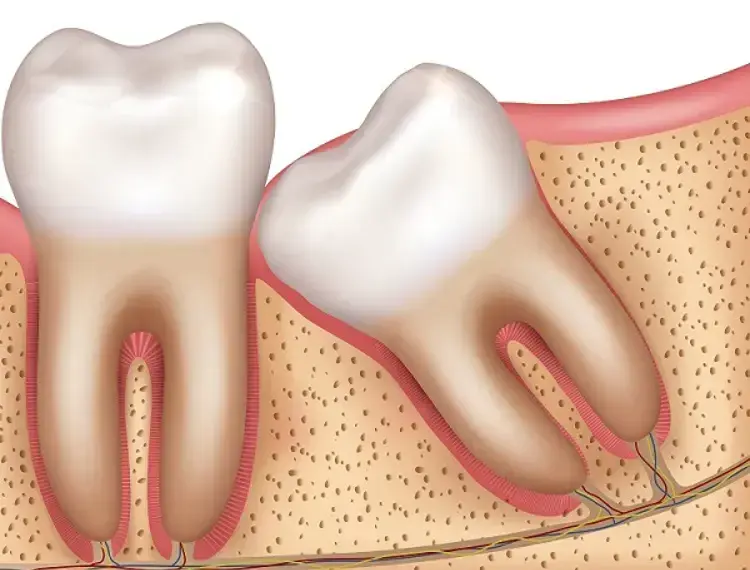
An impacted wisdom tooth is a tooth that does not have enough room to emerge properly. Instead of growing upright, it may:

Grow sideways toward neighbouring teeth
Remain trapped under the gums
Partially emerge through the gums
Push against adjacent teeth
Impacted wisdom teeth often create pressure within the jaw and may increase the risk of infection, crowding, and damage to nearby teeth.
Many patients only discover they have impacted wisdom teeth after an X-ray is taken during a dental examination.
Common Symptoms of Wisdom Tooth Problems
Not all wisdom tooth pain feels the same. Symptoms can vary depending on the position of the tooth and whether infection is present. Common signs include:
Pain at the Back of the Jaw
A dull ache or sharp pain near the back molars is often one of the first symptoms patients notice.
Swollen or Tender Gums
The gum tissue around a partially erupted wisdom tooth may become inflamed, red, and painful.
Difficulty Opening the Mouth
Inflammation around the wisdom tooth can sometimes affect nearby muscles, making it uncomfortable to open the mouth fully.
Food Getting Trapped
Partially erupted wisdom teeth create areas that are difficult to clean, allowing food particles
and bacteria to accumulate.
Bad Breath or Unpleasant Taste
Infections around wisdom teeth can cause persistent bad breath or a bad taste in the mouth.
Jaw Pain and Headaches
Pressure from impacted wisdom teeth can sometimes contribute to discomfort in the jaw and surrounding muscles.
Can Wisdom Teeth Cause Crowding?
This is one of the most debated topics in dentistry.
While wisdom teeth are not always the sole cause of crowding, impacted or erupting wisdom teeth can contribute to pressure in the back of the mouth. Patients often notice changes in alignment or increased crowding of the lower front teeth over time.
If crowding is already present, wisdom teeth may worsen the situation in certain cases.
When Does a Wisdom Tooth Need to Be Removed?
Not every wisdom tooth requires extraction. Removal is usually recommended when the tooth is causing problems or is likely to create complications in the future.
Common reasons for extraction include:
Recurring Pain

If pain keeps returning, the underlying issue is unlikely to resolve permanently on its own.
Repeated Infections
Frequent swelling, gum infections, or difficulty cleaning around the tooth are strong indications for removal.
Damage to Nearby Teeth
An impacted wisdom tooth can sometimes press against neighbouring molars, increasing the risk of decay or damage.
Cysts or Bone Changes
In some cases, impacted wisdom teeth can contribute to cyst formation or affect surrounding bone.
Orthodontic Concerns
Patients undergoing orthodontic treatment may be advised to remove problematic wisdom teeth if they are likely to interfere with long-term alignment.
When Can Wisdom Teeth Be Left Alone?
Wisdom teeth do not automatically need extraction simply because they exist.
A wisdom tooth may be monitored rather than removed if:
It has erupted normally
It can be cleaned properly
It is not causing pain
It is not damaging surrounding structures
Regular dental examinations and X-rays help determine whether monitoring is appropriate.
What Happens During Wisdom Tooth Removal?
The procedure depends on the position of the tooth. For fully erupted wisdom teeth, extraction may be relatively straightforward. Impacted teeth may require a minor surgical procedure to access and remove the tooth safely. Modern techniques and anesthesia make the procedure significantly more comfortable than many people expect. Most patients return to normal activities within a few days, although healing times vary.
What Happens If You Ignore Wisdom Tooth Pain?

Delaying treatment can sometimes lead to complications such as:
Recurrent infections
Gum disease around nearby teeth
Tooth decay
Damage to adjacent molars
Increased pain and swelling
Addressing the problem early often makes treatment simpler and prevents more extensive issues later.
When Should You See a Dentist?
You should schedule an evaluation if you experience:
Persistent wisdom tooth pain
Swelling near the back of the mouth
Difficulty chewing
Jaw stiffness
Repeated gum infections
Food trapping around wisdom teeth
A dental examination and X-ray can determine whether the tooth is healthy, impacted, or likely to cause future problems.
Wisdom tooth pain should never be ignored, especially if it keeps returning or is accompanied by swelling and infection. While not every wisdom tooth needs removal, many problematic wisdom teeth can lead to complications if left untreated. Experiencing wisdom tooth pain or pressure at the back of your jaw? Book a consultation at Oyster Dental Care for a thorough evaluation and personalised treatment recommendations.



Comments