
Why Cavities Sometimes Don’t Hurt Until It’s Too Late
One of the biggest misconceptions about cavities is that they always cause pain immediately. In reality, many cavities develop silently and may not hurt at all until the damage becomes more serious. This is why people are often surprised when a routine dental check-up reveals decay in a tooth that seemed completely normal. At Oyster Dental
Care, we frequently see patients who delay dental visits because they assume “no pain means no problem.” Unfortunately, by the time discomfort appears, the cavity may have already reached deeper layers of the tooth. Understanding why cavities can remain painless for so long is important for preventing more complicated dental treatment later.
How Cavities Develop
Cavities begin when bacteria in the mouth feed on sugars and produce acids that gradually weaken enamel, the outer protective layer of the tooth. In the earliest stages, this damage is very small and limited to the enamel surface. Since enamel does not contain nerves, cavities at this stage usually do not cause pain or sensitivity. Over time, if the decay continues untreated, it progresses deeper into the tooth and eventually reaches the dentin, the softer layer beneath the enamel. This is when symptoms may begin to appear.
Why Cavities Often Don’t Hurt Initially
Enamel Has No Nerves
The outer enamel layer protects the sensitive inner structures of the tooth. Because enamel itself does not contain nerve endings, early decay can develop silently without noticeable discomfort. This is one reason why many people are unaware they have a cavity until it becomes larger.

Decay Progresses Gradually
Cavities usually develop slowly over time rather than suddenly. The gradual progression
means the tooth may adapt temporarily, making symptoms less obvious during the early stages. Patients often assume everything is fine because they can still eat normally and do not feel pain.
The Damage May Be Hidden
Some cavities form between teeth or in areas that are difficult to see. These hidden cavities may continue progressing for months before becoming visible or symptomatic.
By the time they are noticed, the decay may already be advanced.
When Does a Cavity Start Hurting?
Pain usually begins when decay reaches deeper parts of the tooth.
Dentin Involvement
Once the cavity reaches dentin, the tooth may become sensitive to:
Cold foods or drinks
Sweets
Hot beverages
Pressure while chewing
Dentin contains microscopic channels connected to the nerve, which is why sensitivity develops at this stage.
Nerve Involvement
If decay progresses further and reaches the pulp (the innermost part containing nerves and blood vessels), pain can become much more severe.
At this stage, symptoms may include:
Persistent toothache
Throbbing pain
Swelling
Pain while biting
Difficulty sleeping due to discomfort
Treatment also becomes more complex, often requiring root canal therapy or extraction if the damage is severe.
Common Signs of Early Cavities
Even painless cavities may still show subtle warning signs:

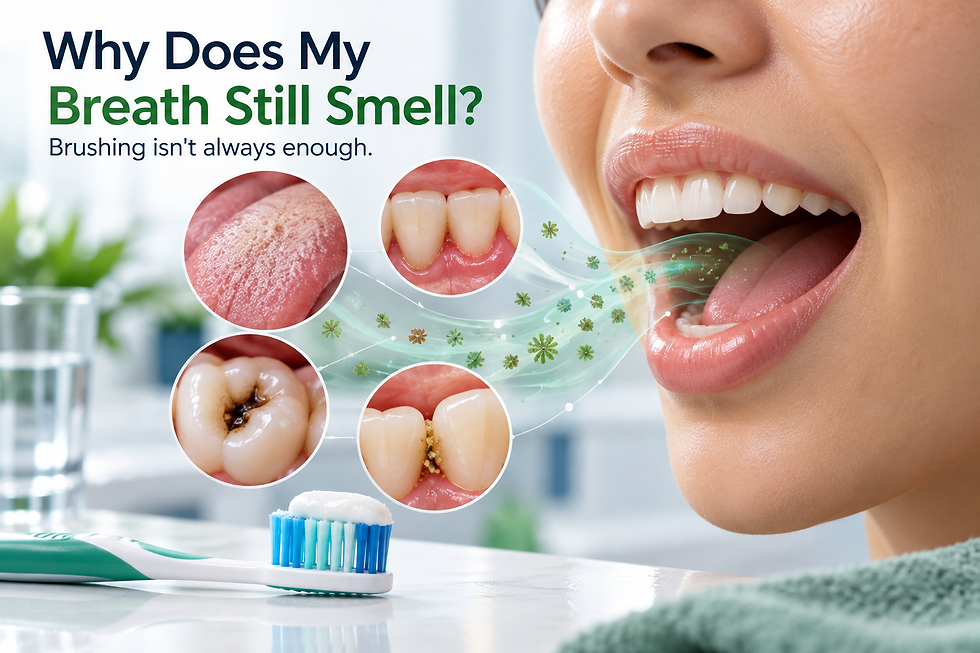
White, brown, or dark spots on teeth
Mild sensitivity occasionally
Food getting stuck frequently
Rough areas on the tooth surface
Bad breath or unpleasant taste
Recognising these signs early can help prevent deeper damage.
Why Regular Check-Ups Matter
Since cavities can remain painless for a long time, regular dental examinations are extremely important. Dentists can often identify early decay before symptoms develop.
Early treatment:
Prevents deeper damage
Preserves more natural tooth structure
Reduces treatment complexity
Helps avoid pain later
In many cases, small cavities treated early require only simple fillings.
How to Prevent Cavities

Preventing cavities focuses on reducing bacterial buildup and protecting enamel:
Brush twice daily with fluoride toothpaste
Clean between teeth regularly
Limit frequent sugar exposure
Avoid constant snacking
Visit the dentist for routine check-ups and cleaning
Consistent habits make a significant difference over time.
When Should You See a Dentist?
You should schedule a dental visit if you notice:
Sensitivity that persists
Dark spots on teeth
Pain while chewing
Food trapping repeatedly in one area
Any visible hole or damage in the tooth
Even mild symptoms are worth evaluating early.
Cavities do not always cause pain immediately. In fact, many develop silently until the damage becomes deeper and more difficult to treat. Regular check-ups and early attention are the best ways to prevent serious dental problems. Concerned about cavities or overdue for a dental check-up? Book a consultation at Oyster Dental Care for early detection and preventive care.


Comments