
The Hidden Link Between Minerals and Oral Health
- Aug 7, 2025
- 3 min read
Why Minerals Matter More Than You Think
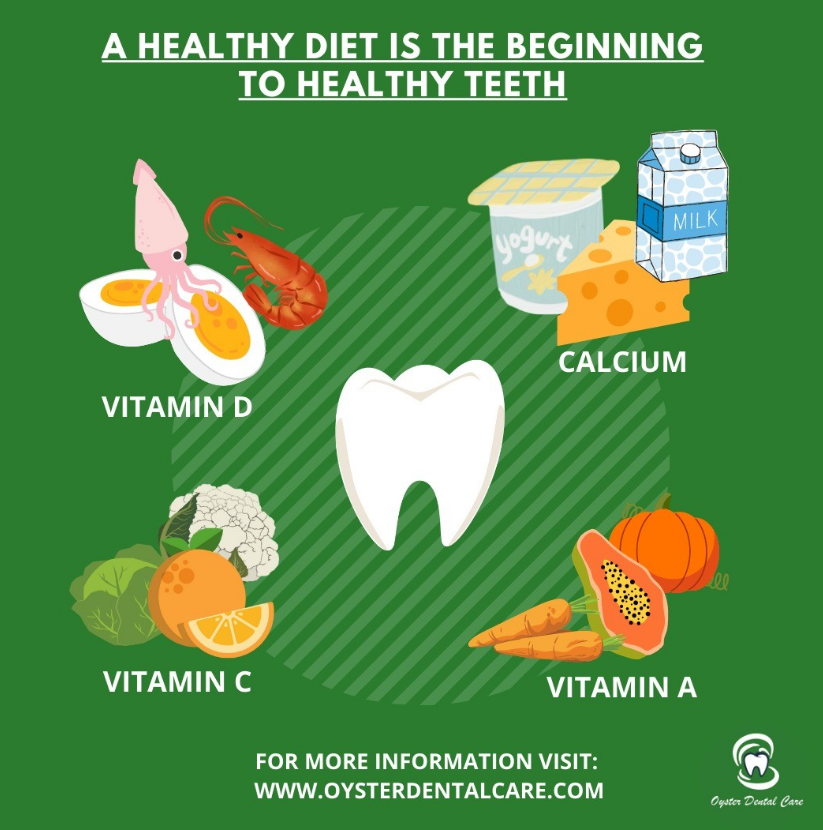
We often associate good oral hygiene with brushing, flossing, and dental check-ups. But did you know that mineral deficiencies could silently sabotage your oral health? Essential micronutrients like calcium, zinc, and magnesium play a vital role in maintaining strong teeth, healthy gums, and a fresh breath.
At Oyster Dental Care, we’re here to shed light on how nutrient imbalances could be the hidden cause of your persistent dental issues even when your hygiene routine is on point.
Common Oral Problems Linked to Mineral Deficiencies
Let’s break down the hidden link between minerals and oral health:
1. Tooth Decay
Causes: Low calcium, low magnesium, copper imbalance, phosphorus deficiency
Why it matters: Tooth decay is one of the most widespread oral health issues, and it often stems from a mineral imbalance. A deficiency in calcium and magnesium weakens your enamel, making your teeth more vulnerable to cavities. When phosphorus is low or copper is imbalanced, the natural remineralization process slows down. At Oyster Dental Care, we emphasize the importance of a mineral-rich diet and regular check-ups to prevent tooth decay from progressing.
2. Tooth Sensitivity
Causes: Low calcium, magnesium deficiency, phosphorus imbalance
Why it matters: If sipping a hot drink or biting into something cold makes you wince, your enamel may be compromised. Mineral deficiencies, especially low calcium, magnesium, and phosphorus imbalance, are common contributors to tooth sensitivity. These nutrients help build enamel strength and protect nerve endings. Managing sensitivity isn’t just about using the right toothpaste, it often starts with improving your body’s mineral levels.
3. Mouth Sores
Causes: Low zinc, iron deficiency, B12 and folate imbalances
Why it matters: Recurring mouth sores could be more than just stress-related, they’re frequently tied to nutrient deficiencies. Low levels of zinc, iron, vitamin B12, and folate can impair your immune response and slow down the healing process. These deficiencies can also lead to inflammation, making ulcers more painful and persistent. At Oyster Dental Care, we often look beyond the surface to help you identify the root causes of such recurring oral issues.
4. Gum Disease
Causes: Low zinc, low vitamin C, copper imbalance, magnesium deficiency
Why it matters: Healthy gums require a steady supply of key nutrients. Deficiencies in zinc, vitamin C, and magnesium, along with a copper imbalance, can lead to inflammation, bleeding gums, and even long-term periodontal damage. Since gum disease affects both oral and overall health, correcting mineral imbalances is a crucial step in any effective treatment plan. We often collaborate with nutrition-aware professionals to support patients at Oyster Dental Care holistically.
5. Bad Breath (Halitosis)
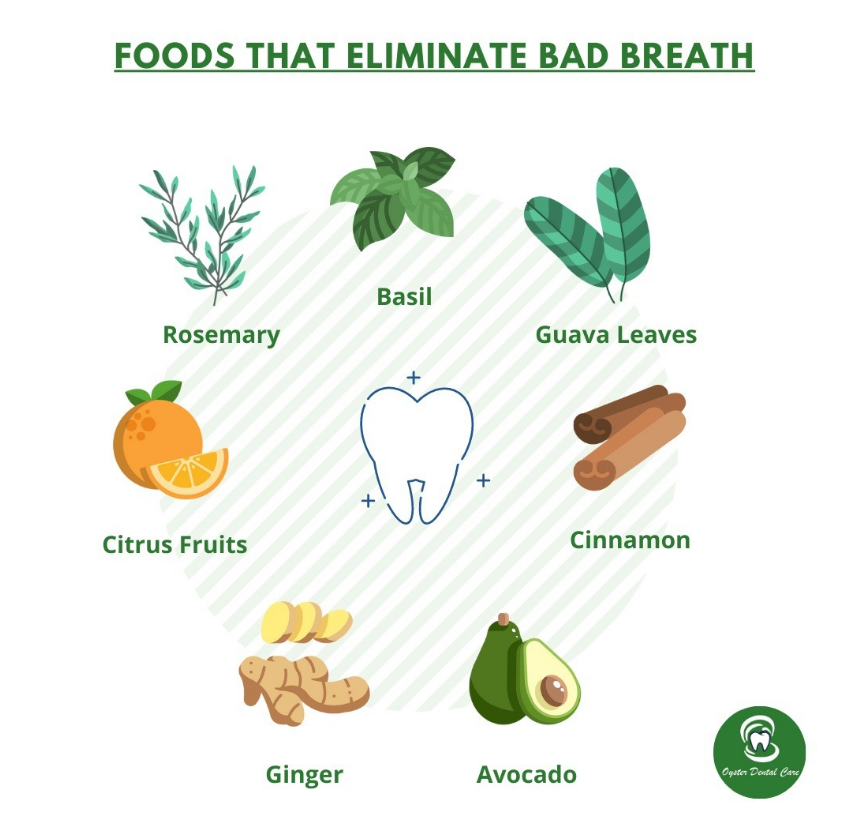
Causes: Low zinc, sulfur imbalance, magnesium deficiency
Why it matters: Persistent bad breath isn't always caused by poor brushing. Low levels of zinc and magnesium, or a sulfur imbalance, can upset your mouth’s bacterial balance and contribute to unpleasant odors. Zinc, in particular, helps neutralize compounds that cause halitosis. Tackling bad breath starts with identifying the internal imbalances, something we prioritize during in-depth consultations at Oyster Dental Care.
6. Dry Mouth

Causes: Sodium/potassium imbalance, magnesium deficiency, low calcium
Why it matters: Dry mouth may feel like a minor irritation, but it can increase the risk of cavities, infections, and even difficulty swallowing. Sodium and potassium imbalances, along with magnesium or calcium deficiencies, can affect saliva production. At Oyster Dental Care, we assess these hidden link between minerals and oral health to ensure you’re not just treating symptoms, but actually restoring long-term moisture and balance to your oral environment.
What You Can Do
Eat a mineral-rich diet: Include leafy greens, nuts, dairy, fish, seeds, and whole grains.
Consider supplements if you have a diagnosed deficiency.
Get regular dental check-ups at Oyster Dental Care to monitor your oral health beyond just brushing habits.
Your smile doesn’t just reflect your brushing habits, it mirrors your body’s internal balance too. From tooth decay to gum disease, many common dental issues are often signs of mineral deficiencies that go unnoticed. Ensuring the right levels of calcium, magnesium, zinc, and other essential nutrients can make a significant difference in your oral health and overall well-being. At Oyster Dental Care, we believe in a root-cause approach that combines modern dental care with nutritional awareness. If you're experiencing recurring oral concerns, it might be time to look deeper.
Book a consultation with us to explore how your mineral balance could be affecting your smile, and how we can help you restore it, naturally and effectively.


Comments