
Teeth Movement in Adults: Why Teeth Shift With Age

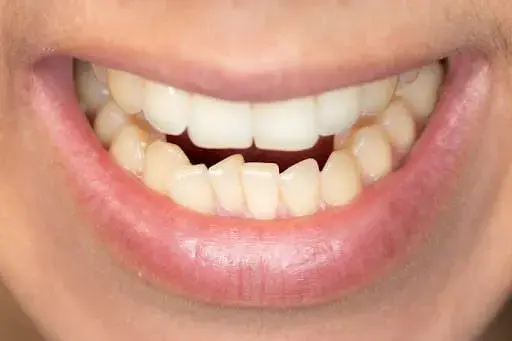
Many people assume that once adult teeth settle into place, they stay that way permanently. But over time, it’s actually very common for teeth to slowly shift position. You may notice crowding in the lower front teeth, new gaps appearing, or changes in the way your bite feels, even if your teeth looked straight for years. At Oyster Dental Care, we often meet patients who are surprised by these changes and wonder why their smile suddenly looks different. The truth is that teeth movement in adults can happen gradually due to several underlying factors, and understanding the cause is important for preventing further changes.
What Causes Teeth Movement in Adults?
Teeth are supported by bone, gums, and ligaments that constantly respond to pressure and changes in the mouth. Even small forces applied repeatedly over time can slowly affect tooth position. Unlike childhood tooth movement, which happens quickly during growth, adult teeth shifting is usually gradual. Many people only notice it when comparing old photographs or when crowding becomes more visible.
This movement may affect:
The alignment of front teeth
Bite balance
Chewing comfort
Appearance of the smile
In some cases, shifting teeth may also make oral hygiene more difficult, increasing the risk of plaque buildup and gum issues.
Common Causes of Teeth Movement in Adults
1. Natural Age-Related Changes
As we age, the structures supporting the teeth also change gradually. The jawbone may undergo subtle remodeling, and years of chewing pressure can slowly alter alignment.
One of the most common examples is crowding of the lower front teeth, which many adults notice later in life even if they never had orthodontic issues before.
2. Missing Teeth

When a tooth is lost and not replaced, the surrounding teeth often begin shifting toward the
empty space. Over time, this can affect the entire bite and create uneven spacing or crowding. The opposing tooth may also start moving because it no longer has contact to keep it in position. This is one reason dentists recommend replacing missing teeth early whenever possible.
3. Teeth Grinding and Clenching
Grinding or clenching (bruxism) places repeated pressure on the teeth and jaw. Over time, these forces can contribute to gradual tooth movement, enamel wear, and bite imbalance.
Many people grind their teeth during sleep without realising it until symptoms like jaw pain, tooth sensitivity, or shifting become noticeable.
4. Gum Disease and Bone Loss
Healthy gums and bone help keep teeth stable. When gum disease develops, the supporting structures weaken, making teeth more likely to move.
In advanced cases, this may lead to visible gaps, loosening of teeth, or noticeable changes in alignment.
5. Not Wearing Retainers After Braces
Orthodontic treatment aligns the teeth, but retainers help maintain that position. Without consistent retainer use, teeth often begin moving back toward their original alignment over time. Even small shifts can become more noticeable over the years.
Signs That Your Teeth May Be Shifting
Teeth movement in adults is often subtle initially. Common signs include:
Crowding in the front teeth
New gaps between teeth
Changes in bite or chewing
Difficulty flossing certain areas
Teeth appearing uneven in photos
Early evaluation can help identify the cause before the movement progresses further.
Can Teeth Movement Be Corrected?
Yes, in many cases, adult teeth movement can be corrected with orthodontic treatment or other dental solutions, depending on the cause.
Treatment options may include:
Clear aligners
Braces
Retainers
Replacement of missing teeth
Gum treatment if bone loss is involved
The right approach depends on the severity of movement and overall oral health.
Why Early Attention Matters
Teeth shifting is not always just a cosmetic issue. Changes in alignment can affect:
Bite balance
Jaw comfort
Oral hygiene
Long-term tooth stability
Addressing the problem early often makes treatment simpler and helps prevent further complications.
When Should You See a Dentist?

You should consider a dental evaluation if you notice:
Increasing crowding
New spacing between teeth
Changes in your bite
Teeth becoming difficult to clean
Jaw discomfort along with shifting
A professional examination can help determine the underlying cause and guide treatment.
Teeth movement in adults is more common than many people realise. Aging, missing teeth, grinding, and gum problems can all gradually affect alignment over time. The earlier these changes are identified, the easier they are to manage. If you’ve noticed shifting teeth or changes in your bite, book a consultation at Oyster Dental Care for a detailed evaluation and personalised treatment plan.


Comments