
Hidden Sugars That Damage Your Teeth Every Day

The mouth naturally contains bacteria, and while many of these bacteria are harmless, some feed on sugars and refined carbohydrates left behind after eating. When this happens, they produce acids that begin attacking the outer protective layer of the teeth, known as enamel.
Enamel is extremely strong, but it is not indestructible. Repeated acid exposure gradually weakens it, making teeth more vulnerable to cavities, sensitivity, and discoloration. What makes this process difficult to notice is that it happens slowly over time. Most people do not realise there is damage until symptoms like pain or visible decay appear. Another important factor is how often the teeth are exposed to sugar. Every time you snack on something sugary or sip a sweet drink, the mouth becomes acidic for a period of time. If this happens repeatedly throughout the day, the enamel does not get enough time to recover naturally through saliva. This constant cycle of acid attacks is one of the biggest reasons cavities develop
Fruit Juices

Fruit juices are often perceived as healthy alternatives to soft drinks, but from a dental perspective, they can still expose teeth to high amounts of sugar and acid. Even fresh juices
contain concentrated natural sugars, and packaged juices may contain additional sweeteners and preservatives. The difference between whole fruits and juice is important. Whole fruits contain fiber, which slows down sugar release and encourages chewing, helping stimulate saliva production. Juice, on the other hand, delivers sugar directly to the teeth in liquid form, coating them more easily. Another common habit that increases risk is sipping juice slowly over long periods. This repeatedly exposes the teeth to acid and sugar instead of limiting exposure to a shorter timeframe. Over time, this can contribute to enamel erosion and cavity formation, especially in children and teenagers.
Biscuits and Packaged Snacks
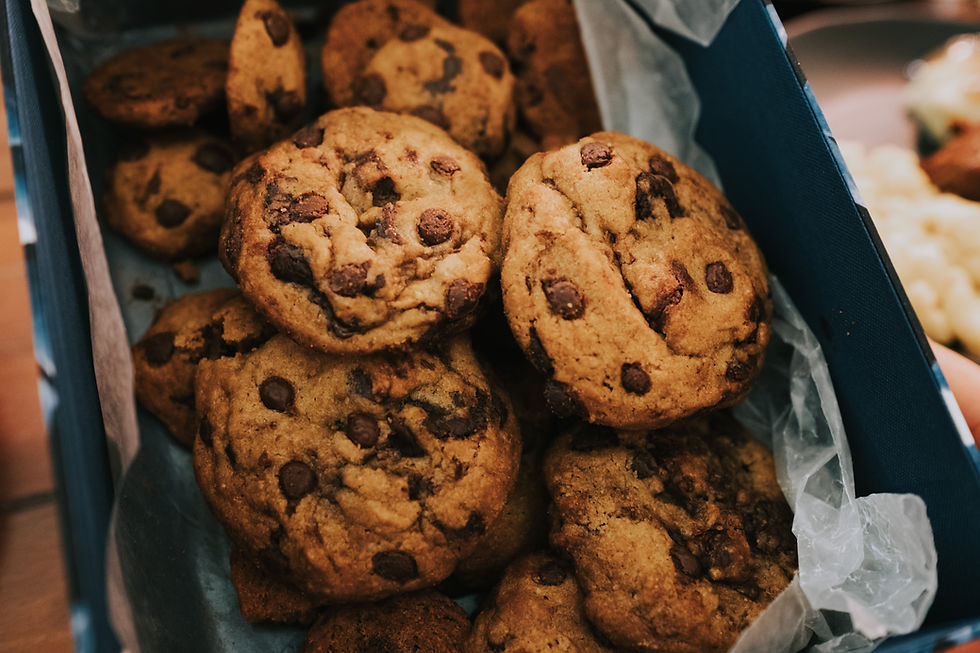
Many packaged snacks appear harmless because they are marketed as light or everyday foods, but they often contain hidden sugars and highly refined carbohydrates. Biscuits, crackers, packaged chips, flavored snacks, and even some “healthy” snack bars can contribute to tooth decay more than people realise. One reason these foods are problematic is because they tend to stick to the grooves and surfaces of teeth. Unlike foods that clear quickly from the mouth, sticky carbohydrates remain for longer periods, giving bacteria more time to break them down into acids. Another issue is frequency. These snacks are often consumed multiple times a day - with tea, during work breaks, while travelling, or as quick hunger fixes. Even if each serving seems small, the repeated exposure creates an environment where bacteria continuously thrive.
Tea and Coffee Additions

Tea and coffee themselves are not the primary problem, it is what is added to them
repeatedly throughout the day. Sugar, flavored creamers, syrups, and sweetened condensed milk can significantly increase sugar exposure, especially for people who consume multiple cups daily. Many people underestimate how quickly this adds up. A spoon of sugar in several cups of tea or coffee every day means the teeth are exposed to sugar repeatedly, often without any rinsing or brushing afterward. Additionally, tea and coffee can contribute to staining over time. When combined with sugar and poor oral hygiene, they can affect both the health and appearance of teeth. This is particularly noticeable in people who sip hot beverages slowly over extended periods.
Why Frequency Matters More Than Quantity
One of the biggest misconceptions about sugar is that only large amounts are harmful. In reality, the frequency of exposure often matters more than the quantity itself.
For example, eating one dessert with a meal may be less harmful than constantly snacking on small sugary foods throughout the day. This is because every sugar exposure triggers an acid attack in the mouth. If these attacks happen repeatedly, the enamel stays under constant stress. Frequent sipping, grazing, and snacking prevent saliva from restoring balance in the mouth. Over time, this creates ideal conditions for bacteria to thrive and cavities to develop. This is why dentists often focus not just on “how much sugar” someone consumes, but also “how often” it is consumed.
How to Reduce Sugar Exposure Without Completely Avoiding It
Completely eliminating sugar is unrealistic for most people, and the goal is not perfection. The focus should instead be on reducing how frequently the teeth are exposed to sugar and improving daily habits that protect enamel. Simple changes can make a significant difference:
Drinking water after sugary foods or beverages helps wash away some of the residue and acids
Limiting unnecessary snacking gives the mouth time to recover naturally
Choosing whole fruits instead of juices reduces direct sugar exposure
Reading food labels can help identify hidden sugars in processed foods
Avoiding sugary foods right before bedtime is especially important since saliva production decreases during sleep

Consistency matters more than extreme restrictions. Small habit changes maintained over time are often far more effective than temporary dietary changes. Even with good habits, plaque and early decay can develop silently. Regular dental check-ups help identify early signs of enamel damage or cavities before they become more serious. Preventive care is always simpler and more comfortable than treating advanced decay later.
Sugar is not always obvious, many everyday foods and drinks contain hidden sugars that quietly affect oral health over time. Being aware of these sources and reducing frequent exposure can go a long way in protecting your teeth. Concerned about cavities, sensitivity, or enamel damage? Book a consultation at Oyster Dental Care for a preventive dental evaluation and personalised advice.


Comments